Today's classrooms are filled with opportunities for learning, growth, and connection, but they can also be places where students experience stress, distraction, and emotional challenges. As educators look for practical ways to support student well-being and academic success, mindfulness and yoga are becoming valuable tools that can be integrated into the school day.
According to Katrina Lien, Program Development Specialist at Sanford fit, and Certified Children's Yoga Instructor, mindfulness practices do not need to be lengthy or complicated to make a difference. In fact, simple breathing exercises, gentle yoga poses, and moments of reflection can help students develop lifelong self-regulation skills while contributing to a positive classroom environment.
What is Mindfulness in Education?
Mindfulness is the practice of paying attention to the present moment with awareness and intention. Katrina explains, “Mindfulness and yoga can give students practical tools for managing attention, stress, and emotions. Short practices that combine breathing, movement, and body awareness can help students pause, reset, and return their attention to the task at hand.” These tools can support students of all ages as they navigate academic expectations, social interactions, and everyday challenges.
Benefits of Mindfulness and Yoga for Students
When incorporated consistently, mindfulness and yoga can help students:
- Improve focus and concentration
- Develop emotional awareness
- Build self-regulation skills
- Manage stress and anxiety
- Increase body awareness
- Support positive classroom behavior
- Create smoother classroom transitions
- Foster resilience and confidence
“For younger students, these activities can also help them recognize and name how they are feeling. For older students, mindfulness can provide a structured way to manage everyday academic and social pressures,” Katrina highlights. She emphasizes that the goal is not to eliminate stress or get students to sit perfectly still; it is to give them strategies they can use when they feel distracted, frustrated, anxious, or overwhelmed.
Why Yoga Works in the Classroom
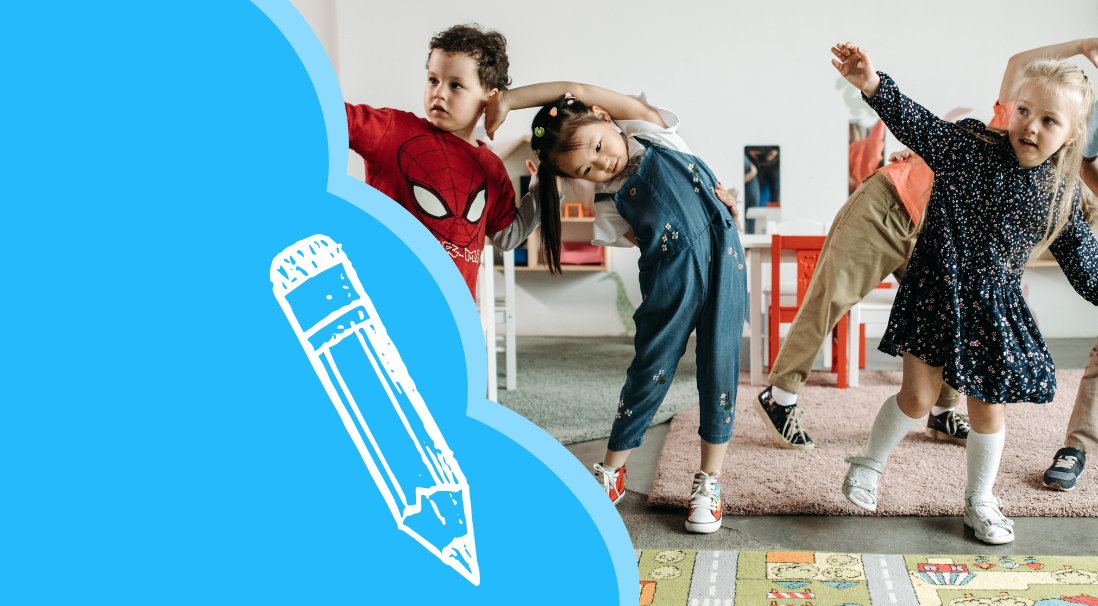
Classroom yoga combines movement, breathing, balance, and mindfulness to help students become more aware of both their bodies and emotions. These practices can be incorporated into existing routines without requiring special equipment or large blocks of instructional time.
“In the classroom, the benefits can extend beyond individual students. When a class routinely takes a moment to breathe, stretch, or reset together, those transitions can create a calmer classroom overall," she notes.
For educators searching for practical social-emotional learning (SEL) strategies, yoga provides an engaging way to help students reset and refocus throughout the day.
Explore Katrina’s top picks for classroom-friendly yoga poses to help students reset and refocus.
How to Create a Mindful Classroom Environment
One of the most common misconceptions about mindfulness in schools is that it requires significant instructional time. In reality, brief moments of mindfulness can have a meaningful impact.
"The key is to make the practice short, predictable, and easy to remember and repeat. A classroom doesn't need a 30-minute yoga session to benefit from mindfulness," Katrina highlights.
1. Create a Mindful Arrival Routine
Begin the day with a few minutes for students to settle in, take mindful breaths, and reflect on a thought-provoking question. This simple practice can help students transition into learning mode.
2. Build Mindful Transitions into the Day
Before moving between subjects or activities, provide 30 to 60 seconds for stretching, breathing, or quiet reflection. These brief pauses can support focus and reduce classroom chaos.
3. Practice a Pre-Assessment Reset
Encourage students to pause before tests and challenging assignments.
Katrina recommends that students take 60-90 seconds to breathe and stretch before a test or challenging assignment.
4. Use a Classroom Breathing Signal
A visual cue, soft bell, or chime can remind students to stop, breathe, and reset their attention.
5. Include Mindful Drawing Activities
Coloring, doodling, pattern-making, or slow sketching can help students focus on the process rather than the outcome, creating opportunities for calm concentration.
6. Add Feelings Check-Ins
Tools such as mood meters, feelings charts, or “how are you arriving today?” boards help students identify emotions without needing to explain them publicly.
7. Introduce Mindful Movement Throughout the Day
Yoga poses, stretching breaks, balancing activities, and movement exercises can help students practice mindfulness through action. Students don't necessarily have to sit still to practice mindfulness.
Helpful Mindfulness Resources for Teachers
Educators looking to bring mindfulness and yoga into the classroom can start with simple, accessible resources.
Mindfulness Videos
Printable Mindfulness Activities
- Mindful Moments Printable Cards
- A Trip to the Zoo: Animal Yoga Poses and Breathing Exercises
- fitFlow Printable Cards
- Grow Your Flow Cards
Create a Classroom Mindfulness Zone
Designating a calming corner or mindfulness space can give students a place to pause, reset, stretch, or practice breathing techniques independently.
Helpful resources include:
The most important part of bringing mindfulness into the classroom is consistency. Mindfulness is most effective when it becomes a regular part of the school day rather than an occasional activity. Choosing a few techniques and incorporating them into predictable moments each day can help students become familiar with the routine. When students regularly practice breathing, stretching, quiet reflection, or mindful movement, they have more opportunities to learn what helps them refocus and regulate their emotions. The goal is for students to begin recognizing their own needs and independently choosing a technique to help them pause, reset, and return to learning. The more consistently students experience these techniques, the more they can become part of the classroom culture and then part of the skills students carry with them beyond the classroom.