Finding opportunities for students to pause, move, and refocus can make a big difference throughout the school day. Whether students are transitioning between lessons, preparing for a test, or simply need a brain break, incorporating a few simple yoga poses can help them feel more calm, centered, and ready to learn.
According to Katrina Lien, Sanford fit Program Development Specialist and Certified Children's Yoga Instructor, yoga does not have to be complicated to be effective.
"Mindfulness and yoga can give students practical tools for managing attention, stress, and emotions. Short practices that combine breathing, movement, and body awareness can help students pause, reset, and return their attention to the task at hand," she highlights.
The good news for educators is that a classroom does not need a full yoga session to experience these benefits. A few minutes of mindful movement can help students build body awareness, practice self-regulation, and take a healthy break from sitting. The following classroom-friendly yoga poses are easy to implement, require little to no equipment, and can be adapted for students of various ages and abilities.
Simple Yoga Poses for Younger Students
Young children often respond best to mindfulness activities that incorporate imagination, movement, and play. Here are Katrina’s top beginner-friendly yoga poses that can easily be practiced in elementary classrooms:
1. Mountain Pose
Mountain Pose is a simple yet effective way to help students feel grounded and focused before a lesson or transition.
- Have students stand with their feet hip-width apart.
- Ask them to press their feet firmly into the floor.
- Encourage them to stand tall and imagine growing like a mountain.
- Relax the shoulders and let the arms rest comfortably at their sides.
- Take three to five slow breaths.
Teacher tip: Invite students to imagine their feet are roots growing into the earth while their heads reach toward the sky.
2. Cat-Cow
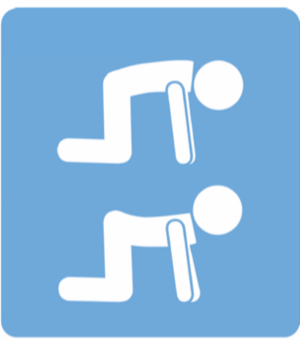
Cat-Cow helps students connect movement with breathing while gently stretching the spine.
- Begin on hands and knees.
- Place hands directly under shoulders and knees under hips.
- As students inhale, gently lift their heads and tailbones toward the ceiling while lengthening the spine (Cow).
- As they exhale, round their backs and tuck their chins toward their chests (Cat).
- Continue for five to ten slow breaths.
Teacher tip: Encourage students to move slowly and focus on matching their movements to their breath.
3. Tree Pose
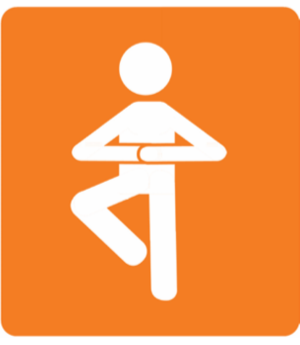
Tree Pose builds balance, concentration, and body awareness.
- Stand tall in Mountain Pose.
- Shift weight onto one foot.
- Place the other foot lightly on the ankle, calf, or lower leg. Avoid pressing directly against the knee.
- Bring hands together at the chest or raise them overhead like branches.
- Hold for three to five breaths and switch sides.
Teacher tip: Remind students that wobbling is part of practicing balance.
4. Butterfly Pose

Butterfly Pose is a calming seated stretch that can help students settle after active learning.
- Sit on the floor.
- Bring the soles of the feet together.
- Hold the feet or ankles with both hands.
- Sit up tall and gently flap the knees like butterfly wings.
- Take several slow breaths.
Teacher tip: Younger students enjoy imagining they are butterflies flying through a garden.
5. Belly Breathing
Belly breathing is an excellent introduction to mindfulness and emotional regulation.
- Sit comfortably in a chair or on the floor.
- Place one hand on the stomach.
- Breathe in slowly through the nose.
- Notice the stomach gently expand.
- Slowly breathe out and notice the stomach fall.
- Repeat for one minute.
Teacher tip: Have students imagine they are inflating and deflating a balloon.
Mindfulness and Yoga Activities for Older Students
As students enter middle school and high school, mindfulness practices can become more reflective while continuing to support emotional regulation and focus.
1. Seated Forward Fold
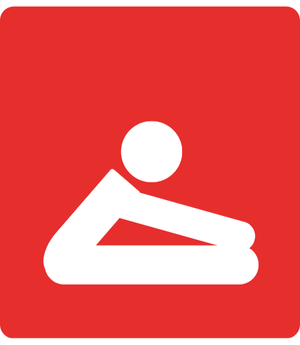
This gentle stretch can help reduce physical tension and encourage a sense of calm.
- Sit on the floor with legs extended in front.
- Lengthen the spine and sit tall.
- Slowly reach forward toward the knees, shins, ankles, or feet.
- Relax the neck and shoulders.
- Hold for three to five breaths.
Teacher tip: Remind students that the goal is not to touch their toes but to stretch comfortably.
2. Child's Pose

Child's Pose provides an opportunity for rest, reflection, and relaxation.
- Begin kneeling on the floor.
- Sit back on the heels.
- Fold the torso forward.
- Extend the arms out in front or rest them alongside the body.
- Rest the forehead gently on the floor or desk.
- Stay for several slow breaths.
Teacher tip: Offer this pose as an optional choice when students need a moment to reset.
3. Mountain Pose
Although simple, Mountain Pose can be especially valuable for older students who spend much of the day seated.
- Stand tall with feet firmly planted.
- Relax the shoulders away from the ears.
- Engage the core slightly.
- Take several slow, mindful breaths.
- Notice posture, breath, and body alignment.
4. Box Breathing
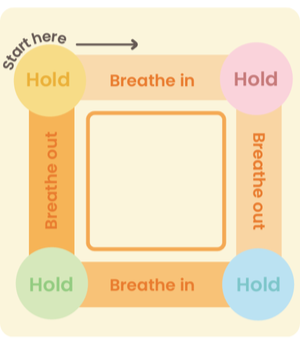
Box breathing is a simple mindfulness technique that students can use anywhere.
- Inhale through the nose for four counts.
- Hold the breath for four counts.
- Exhale slowly for four counts.
- Pause for four counts.
- Repeat three to five rounds.
Teacher tip: Have students visualize tracing the sides of a square as they breathe.
5. Extended-Exhale Breathing
A longer exhale can help students feel calmer before presentations, tests, or stressful situations.
- Sit comfortably.
- Inhale gently through the nose for three or four counts.
- Exhale for five or six counts.
- Continue for one to two minutes.
- Keep the breath relaxed and comfortable.
Teacher tip: Encourage students to breathe naturally and avoid forcing longer breaths.
Ready for more? You may also like:
How to Incorporate Yoga into the Classroom
Yoga BINGO
Energizing Yoga Poses and Affirmations to Help Kids Start Their Day